The Gurmukhi Alphabet for Beginners: A Simple Starting Guide
gurmukhi · learn punjabi · alphabet · reading
Gurmukhi (ਗੁਰਮੁਖੀ) is the script used to write Punjabi in India and across most of the diaspora, and beginners learn it by mastering three things in order: the 35 letters (ਪੈਂਤੀ ਅੱਖਰ, painti akhar), the three vowel bearers ੳ ਅ ੲ, and the vowel signs called laga matra. Because Gurmukhi is largely phonetic — words are spelled the way they sound — most learners can sound out simple words within their first week.
If Punjabi is your ਮਾਂ ਬੋਲੀ (maa boli — mother tongue) that you speak but cannot read, or you are learning from scratch in the UK, Canada, the US, Australia, or New Zealand, this guide gives you the full map before you take the first step. It pairs well with our broader guide to learning Punjabi as an adult.
What is Gurmukhi, exactly?
Gurmukhi is an alphabet-like script (technically an abugida, where consonants carry vowel marks) standardised by Guru Angad Dev Ji, the second Sikh Guru, in the 16th century. The name is traditionally understood as “from the mouth of the Guru.” It is the script of the Guru Granth Sahib and of everyday written Punjabi in Indian Punjab — street signs, newspapers, WhatsApp messages from your ਨਾਨੀ (naani — maternal grandmother). Punjabi in Pakistan is written in a Perso-Arabic script called Shahmukhi; this guide covers Gurmukhi, which is what most diaspora learners mean when they say they want to read Punjabi.
Two features make it beginner-friendly. First, it is phonetic: unlike English, where “though” and “tough” ambush you, a Gurmukhi word is pronounced the way it is written. Second, there are no separate upper- and lower-case forms — each letter has exactly one shape to learn.
What are the 35 akhar?
The ਪੈਂਤੀ ਅੱਖਰ (painti akhar — thirty-five letters) are the core of the script, traditionally recited in a grid of seven rows of five. Punjabi children in Punjab learn this chart by heart, and you will too — but you do not need to memorise it all at once. Here is the full set with approximate sounds:
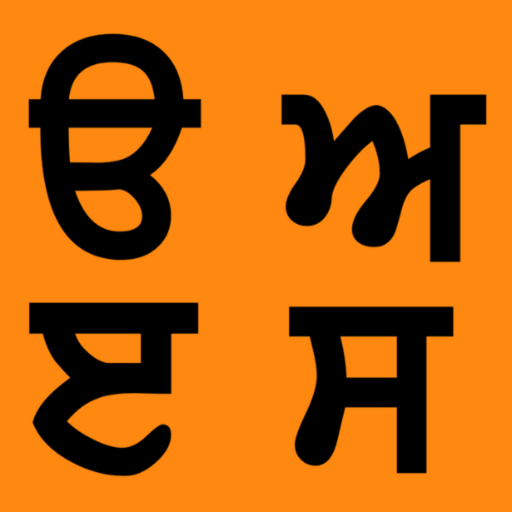
- Row 1 (vowel bearers + s, h): ੳ (oora), ਅ (aira), ੲ (eeri), ਸ (sassa — s), ਹ (haha — h)
- Row 2 (k sounds): ਕ (kakka — k), ਖ (khakha — kh), ਗ (gagga — g), ਘ (ghagga — gh), ਙ (nganga — ng)
- Row 3 (ch sounds): ਚ (chacha — ch), ਛ (chhachha — chh), ਜ (jajja — j), ਝ (jhajja — jh), ਞ (njanja — ny)
- Row 4 (hard t sounds): ਟ (tainka — t), ਠ (thattha — th), ਡ (dadda — d), ਢ (dhadda — dh), ਣ (nahnha — n)
- Row 5 (soft t sounds): ਤ (tatta — t), ਥ (thatha — th), ਦ (dadda — d), ਧ (dhadda — dh), ਨ (nanna — n)
- Row 6 (p sounds): ਪ (pappa — p), ਫ (phappha — ph), ਬ (babba — b), ਭ (bhabba — bh), ਮ (mamma — m)
- Row 7 (semi-vowels and r/l): ਯ (yaiyya — y), ਰ (rara — r), ਲ (lalla — l), ਵ (vava — v/w), ੜ (rahrha — a flapped r unique to Punjabi)
Modern Gurmukhi also uses six additional letters formed with a dot (ਬਿੰਦੀ, bindi) under existing letters — ਸ਼ (sh), ਖ਼, ਗ਼, ਜ਼ (z), ਫ਼ (f), ਲ਼ — mostly for sounds from Persian, Arabic, and English loanwords. Treat these as a bonus round for later, not week-one material.
Notice rows 4 and 5: Gurmukhi distinguishes retroflex sounds (tongue curled back, as in ਟ) from dental ones (tongue on the teeth, as in ਤ). English speakers’ t and d sit closer to the retroflex row. Hearing the difference takes practice — this is where audio matters more than any chart.
What are the three vowel bearers (ੳ ਅ ੲ)?
The vowel bearers are the first three letters — ੳ (oora), ਅ (aira), and ੲ (eeri) — and their job is to carry vowel sounds when a word begins with a vowel rather than a consonant. They have no sound of their own; each one hosts a specific set of vowel signs:
- ੳ carries the u- and o-type vowels: ਉ (u), ਊ (oo), ਓ (o)
- ਅ carries the a-type vowels: ਅ (a), ਆ (aa), ਐ (ai), ਔ (au)
- ੲ carries the i- and e-type vowels: ਇ (i), ਈ (ee), ਏ (e)
So the word ਆਲੂ (aaloo — potato) starts with aira wearing the aa sign, and ਇੱਕ (ikk — one) starts with eeri wearing the i sign. Once you know which bearer takes which vowels, a whole class of words stops looking mysterious.
What is laga matra (the vowel signs)?
Laga matra (ਲਗਾਂ ਮਾਤਰਾਂ) is the collective name for the vowel signs that attach to consonants — above, below, before, or after — to change their vowel sound. Every consonant on its own carries a short built-in “a” sound, called ਮੁਕਤਾ (mukta — literally “free,” meaning no symbol at all). The ten vowel sounds, shown here on ਸ (s):
- ਸ — mukta, no sign: sa
- ਸਾ — kanna (ਾ): saa
- ਸਿ — sihari (ਿ), written before the letter but pronounced after: si
- ਸੀ — bihari (ੀ): see
- ਸੁ — aunkar (ੁ), below the letter: su
- ਸੂ — dulainkar (ੂ), below the letter: soo
- ਸੇ — lavan (ੇ): se
- ਸੈ — dulavan (ੈ): sai
- ਸੋ — hora (ੋ): so
- ਸੌ — kanaura (ੌ): sau
The one that trips everyone up is sihari: it is written to the left of the consonant but voiced after it. So ਸਿ reads “si,” not “is.” Expect to misread it for a few days; everyone does.
Three small extras complete the system: ਬਿੰਦੀ (bindi, a dot) and ਟਿੱਪੀ (tippi, ੰ) nasalise vowels — as in ਮਾਂ (maa(n) — mother) — and ਅੱਧਕ (addhak, ੱ) doubles the following consonant, as in ਪੱਗ (pagg — turban).
A realistic first-week plan for learning Gurmukhi
You can meet the whole script in seven days if you keep sessions short and daily — 15 to 20 minutes is plenty. Cramming letter charts for an hour teaches less than five focused minutes with audio, so pace yourself.
- Day 1: Row 1 — the vowel bearers ੳ ਅ ੲ plus ਸ and ਹ. Learn the letter names aloud; the names contain the sounds.
- Day 2: Rows 2 and 3 (ਕ through ਞ). Read your first real words: ਕਹ, ਸਾਹ, ਚਾਹ (chaah — tea).
- Day 3: Rows 4 and 5. Spend most of your time listening to the retroflex-versus-dental difference (ਟ vs ਤ, ਡ vs ਦ) rather than staring at shapes.
- Day 4: Rows 6 and 7. You have now met all 35 akhar. Celebrate with ਸ਼ਾਬਾਸ਼ (shabaash — well done).
- Day 5: Laga matra, part one: kanna, sihari, bihari. Practise on words you already know, like ਪਾਣੀ (paani — water).
- Day 6: Laga matra, part two: the remaining signs, plus tippi, bindi, and addhak in passing.
- Day 7: Only reading. Sound out ਰੋਟੀ (roti — flatbread), ਦਾਲ (daal — lentils), ਪੰਜਾਬੀ (Punjabi), your own name. Slow is fine; sounding out is the win.
Handwriting the letters as you learn them helps enormously — the hand remembers what the eye forgets. And rather than juggling charts and audio yourself, the PunjabiCharm app sequences all of this for you with native-speaker audio for every letter and word; it has 500,000+ downloads and a 4.6★ rating from 4,000+ reviews, many from diaspora learners who started exactly here. After week one, keep momentum with our 30-day Punjabi plan or the wider Learn Punjabi hub — and if you are learning alongside children, see our guide to teaching your kids Punjabi abroad.
Want it on paper too? The free printable Gurmukhi starter sheet puts all 35 akhar on one page — and once you can sound letters out, Punjabi numbers 1 to 100 make perfect first reading practice.
Start today
You do not need to feel ready — you need ten minutes and the first row of letters. The PunjabiCharm app is free to download and walks you from ੳ to full sentences one gentle step at a time, with audio so you always know how a letter truly sounds. Get the app here and read your first Gurmukhi word before the week is out. Your ਮਾਂ ਬੋਲੀ is closer than you think.